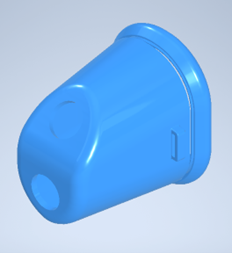
Learning Radiation Kit
$100.00 With the Learn Radiation Kit , you can see the effects of radiation with your own eyes! Using the thermoset polymer, CR-39 , you can expose it to alpha radiation and see exactly where alpha particles hit, its approximate energy, and what direction it was going. When a high energy particle impacts the polymer it breaks bonds and allows for preferential etching during post-exposure processing. These etched tracks can then be observed and characterized under a microscope, or with enough exposure, be seen with the unaided eye. We will gladly develop, image, and characterize your CR-39 particle track detectors, if you would like us to do so. We can process all 14 of the CR-39 particle track detectors in the Teaching Radiation kit and provide you with digital images of the detectors, provided we process all 14 detectors simultaneously. For processing pricing, please contact BSI. This kit includes: (14) CR-39 pieces with protective film (2) 2% Thorium-tungsten rod (1) Varied distance 3D printed holder (1) Varied time 3D printed holder Instructions on its use, safety procedures and worksheet Alternatively, we will be happy to sell you the necessary apparatus to do this development and analysis on your own. This is what we call the ‘Do It Yourself (DIY) Option, and we recommend it for those who would like to teach the Learning Radiation module to multiple classes for many years to come. Please see our DIY kit pricing below. We are also available to assist you in re-applying your existing equipment to DIY.
Read More